 Language
Your injection-molded pump housing cracks after 800 hours at 150°C in a caustic media. The glass-filled PA66 you specified holds shape, but the surface lo...
LEGGI DI PIÙ +
Chi siamo
Zhejiang Lisu Composite Materials Co., Ltd
Zhejiang Lisu Composite Materials Co., Ltd, fondata nel 2015, è un'impresa nazionale ad alta tecnologia e un'impresa di innovazione scientifica e tecnologica dello Zhejiang. Siamo Cina Produttori di materiali plastici tecnici e OEM/ODM Fabbrica di materiali plastici tecnici. Siamo specializzati in R&S, produzione, vendita e assistenza di nuovi materiali ad alte prestazioni, impegnati a fornire soluzioni materiali innovative per una vita umana più sicura, confortevole e conveniente. L'azienda possiede capacità complete di test sperimentali e ha ottenuto certificazioni come la certificazione del materiale PCR (GRS), la certificazione del sistema di gestione della qualità IATF16949 e vari certificati CQC per i materiali, garantendo la qualità e la conformità del prodotto. Siamo dedicati a fornire soluzioni materiali innovative sicure, confortevoli e convenienti per vari settori, aiutando i clienti ad aumentare il valore dei loro prodotti. Guidati dall'innovazione tecnologica per promuovere lo sviluppo sostenibile, siamo praticanti determinati nella costruzione di una società rispettosa dell'ambiente. Ci sforziamo di contribuire alla convivenza armoniosa tra umanità e natura, lavorando insieme per un futuro più verde.

Personalizzazione
Questo è il core business delle fabbriche di plastica modificata. Essere in grado di rispondere rapidamente alle esigenze specifiche dei clienti e fornire servizi personalizzati dalla progettazione della formula, test su piccola scala, test pilota fino alla produzione di massa, aiutando i clienti a ottenere la differenziazione del prodotto.

Basso costo
Le grandi fabbriche hanno un maggiore potere contrattuale attraverso l'approvvigionamento centralizzato su larga scala di resine di base e additivi, che può ridurre efficacemente i costi delle materie prime.

Garanzia di qualità
Questa è la linfa vitale delle materie plastiche modificate. La fabbrica garantisce un'elevata coerenza nelle prestazioni del prodotto per ogni lotto, anche per ogni sacco, attraverso un rigoroso controllo delle materie prime, un dosaggio preciso automatizzato, processi di taglio e miscelazione a vite stabili e un monitoraggio online completo.

Aumento della produzione
L'enorme capacità produttiva annuale può soddisfare le esigenze di ordini a lungo termine, stabili e su larga scala dei grandi clienti senza influenzare i loro piani di produzione a causa di colli di bottiglia di capacità.
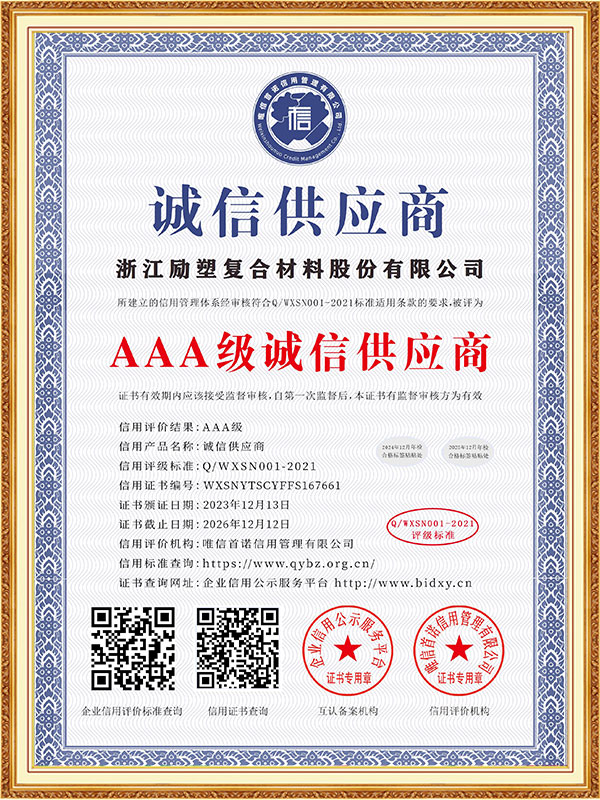
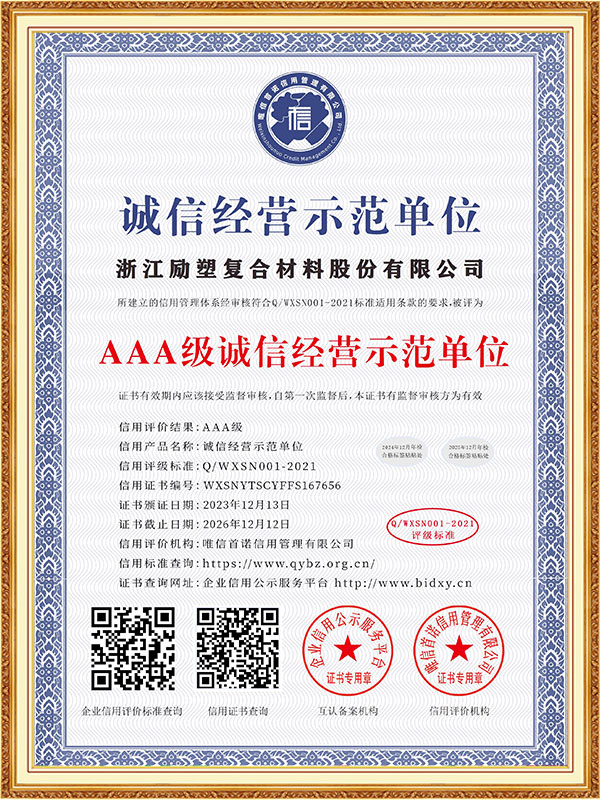
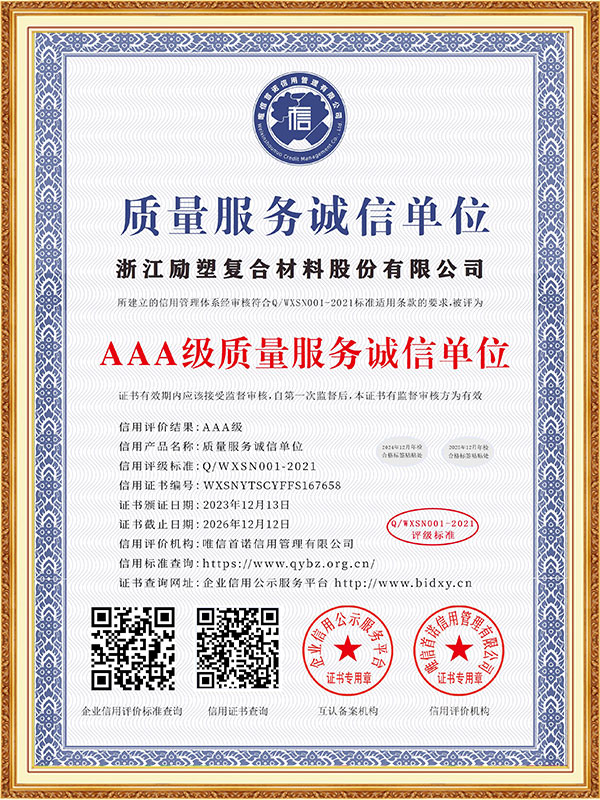
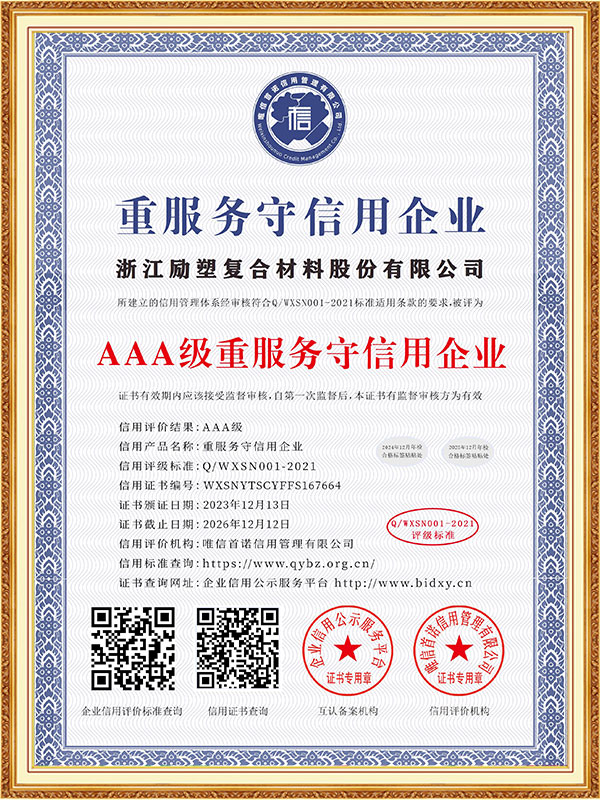
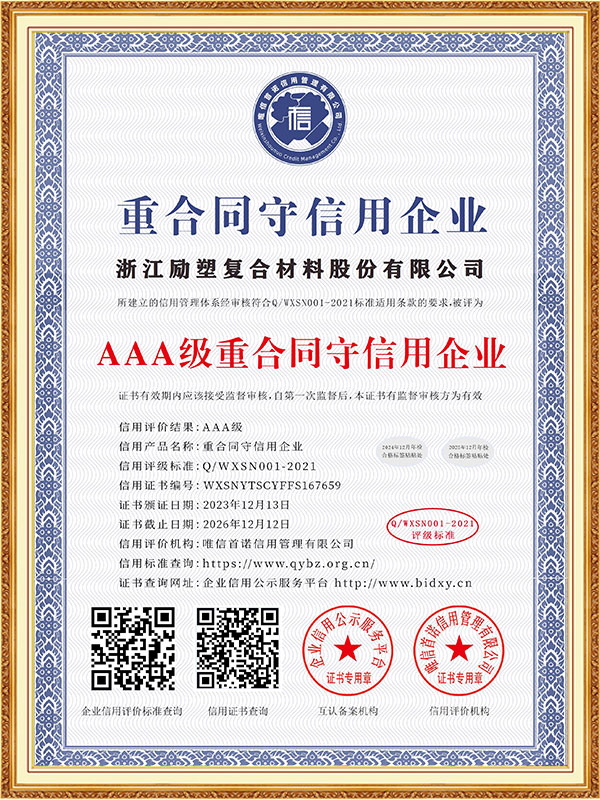
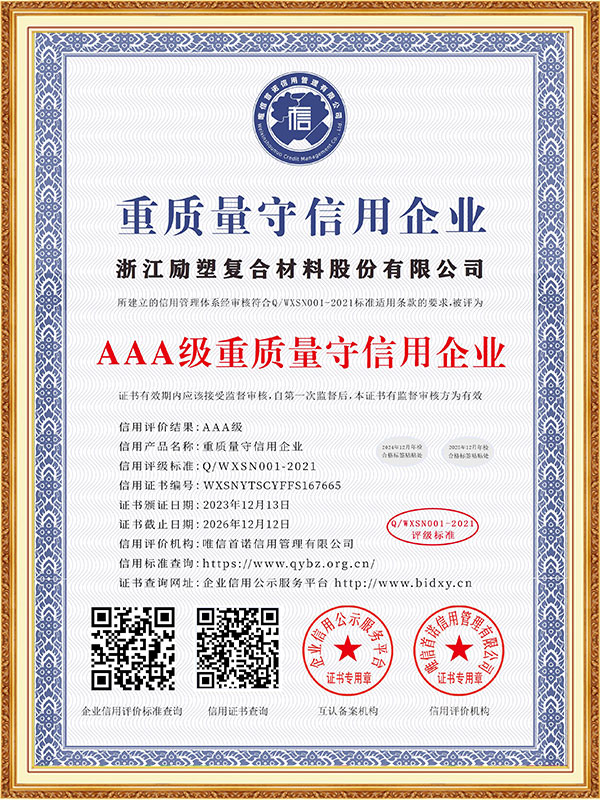
Certificato d'onore
Ultime notizie
-
-
Un ingegnere responsabile di un componente di trasmissione automobilistico si trova ad affrontare un dilemma familiare: la parte in plastica deve sopravvi...
LEGGI DI PIÙ + -
Una coppa della trasmissione funziona a 150°C per migliaia di ore. Il connettore della batteria di un veicolo elettrico si trova a pochi centimetri dalle ...
LEGGI DI PIÙ + -
Uno stampatore ad iniezione offre un conduttore di luce trasparente con una garanzia per esterni di cinque anni. Il lavoro fallirà se la resina scelta ingial...
LEGGI DI PIÙ + -
Il 10 agosto 2026, il signor Tang Jianxing, presidente della filiale della catena dell'industria della purificazione dell'acqua della China Heal...
LEGGI DI PIÙ +
Feedback messaggio
Ingegneria delle materie plastiche Conoscenza del settore
Why Are Engineering Plastics the Key to High-Performance Applications?
Engineering plastics materials have emerged as indispensable components in modern manufacturing across a wide range of industries. Known for their high-performance properties, engineering plastics are designed to meet the specific needs of advanced applications that require enhanced durability, heat resistance, and mechanical strength. These materials are typically employed in industries such as automotive, aerospace, electronics, and medical devices, where performance and reliability are critical.
Understanding Engineering Plastics: Key Characteristics
Engineering plastics, sometimes referred to as high-performance plastics, are a group of polymers with superior mechanical properties compared to conventional plastics. They are designed to withstand extreme conditions such as high temperatures, chemical exposure, and mechanical stress. Unlike traditional plastics like polyethylene or polypropylene, engineering plastics offer excellent dimensional stability, resistance to wear and tear, and better load-bearing capabilities.
Here are some of the key characteristics that define engineering plastics:
- High Strength and Durability: These materials are designed to handle mechanical stress, making them suitable for heavy-duty applications.
- Thermal Stability: Many engineering plastics retain their properties at high temperatures, making them ideal for use in engines, industrial machines, and electrical components.
- Chemical Resistance: Engineering plastics exhibit resistance to a wide range of chemicals, oils, and solvents, ensuring their longevity even in harsh environments.
- Electrical Insulation: Some engineering plastics offer excellent electrical insulation properties, making them vital in electronic and electrical applications.
Types of Engineering Plastics Materials
There is a wide variety of engineering plastics materials, each designed to address specific application requirements. The most common types include:
| Material Type | Key Properties | Common Applications |
|---|---|---|
| Polyamide (PA) | High tensile strength, low friction, abrasion resistance | Automotive, electrical components, industrial machinery |
| Polycarbonate (PC) | High impact resistance, optical clarity, heat resistance | Optical lenses, automotive parts, electrical enclosures |
| Polyetheretherketone (PEEK) | Excellent thermal and chemical resistance, high strength-to-weight ratio | Aerospace, medical implants, industrial machinery |
| Polyoxymethylene (POM) | Low friction, high wear resistance, dimensional stability | Automotive, gears, bearings |
| Acrylonitrile Butadiene Styrene (ABS) | High impact resistance, good dimensional stability | Consumer electronics, automotive parts, toys |
Applications of Engineering Plastics Materials
The versatility of engineering plastics materials allows them to be used in diverse sectors. Here are a few examples of industries benefiting from these high-performance materials:
- Automotive Industry: In the automotive sector, engineering plastics materials are used for components such as bumpers, dashboards, and under-the-hood parts. These plastics reduce vehicle weight, improve fuel efficiency, and enhance safety.
- Aerospace Industry: PEEK, polyamide, and polycarbonate are frequently used in aircraft components due to their lightweight, high-strength, and thermal stability. These materials ensure reliable performance even in extreme conditions such as high altitudes and low temperatures.
- Electronics Industry: Engineering plastics are often used for insulating components in electrical devices, such as connectors, housings, and circuit boards. Their electrical insulation properties and durability ensure the safety and functionality of electronic products.
- Medical Devices: With their biocompatibility and resistance to chemicals, certain engineering plastics such as PEEK and polycarbonate are utilized in the production of medical implants, diagnostic devices, and surgical instruments.
Customization and Benefits of Engineering Plastics Materials
One of the key advantages of engineering plastics materials is their ability to be customized to meet specific application needs. Zhejiang Lisu Composite Materials Co., Ltd. specializes in modified plastic materials and offers a range of customization options, including:
- Formula Design: Tailored formulations to meet specific mechanical, chemical, or thermal requirements.
- Pilot Testing: Small-scale testing to validate material performance before mass production.
- Mass Production: Large-scale production capabilities ensure that customized materials can be produced consistently and at competitive prices.
The customizability of these materials allows manufacturers to create products with specific characteristics such as enhanced strength, improved impact resistance, or specialized thermal properties. This ability to cater to customer-specific needs sets engineering plastics apart from other material types.
Cost-Effectiveness of Engineering Plastics Materials
The cost-effectiveness of engineering plastics is a significant factor driving their widespread adoption. Large-scale manufacturers benefit from centralized procurement of basic resins and additives, allowing them to negotiate better prices for raw materials. This, combined with efficient production processes, enables companies to deliver high-quality materials at competitive prices.
Zhejiang Lisu Composite Materials Co., Ltd. leverages its scale and production efficiency to reduce raw material costs and pass the savings on to its customers. This helps reduce the overall production cost for industries, making engineering plastics an affordable choice for a wide range of applications.
Quality Assurance and Consistency
Ensuring consistent product quality is paramount in the production of engineering plastics materials. Leading manufacturers use automated systems to precisely batch and mix raw materials, ensuring uniformity in each batch. Stringent quality control processes are followed at every stage of production, from raw material inspection to final product testing.
Zhejiang Lisu Composite Materials Co., Ltd. adheres to international quality standards such as the IATF16949 quality management system certification, which ensures that all engineering plastics meet the highest performance and quality benchmarks.
Increasing Output and Meeting Customer Demand
As industries scale and require more complex materials, manufacturers of engineering plastics materials must be able to meet large and consistent orders. Zhejiang Lisu Composite Materials Co., Ltd. has strong production capabilities and is fully capable of handling large-scale orders without compromising quality. Their extensive production facilities ensure that large-volume, long-term orders can be fulfilled reliably, allowing customers to meet production deadlines and reduce operational bottlenecks.
FAQ
1. What are engineering plastics materials?
Engineering plastics materials are high-performance polymers designed to withstand extreme conditions such as high temperatures, mechanical stress, and chemical exposure. These materials are commonly used in industries like automotive, aerospace, electronics, and medical devices.
2. How do engineering plastics compare to traditional plastics?
Engineering plastics offer superior mechanical strength, thermal stability, and resistance to wear and chemicals compared to traditional plastics like polyethylene or polypropylene. They are ideal for high-performance applications requiring durability and reliability.
3. What industries benefit from engineering plastics materials?
Industries such as automotive, aerospace, electronics, and medical devices benefit greatly from the properties of engineering plastics. These materials help improve product performance, reduce weight, and enhance safety.
4. How can engineering plastics be customized for specific applications?
Engineering plastics can be customized through changes in formulation, additives, and processing techniques. Manufacturers offer services such as formula design, small-scale testing, and large-scale production to meet specific application requirements.
5. What is the role of quality assurance in engineering plastics production?
Quality assurance ensures that engineering plastics materials meet strict performance standards. Through automated processes, rigorous testing, and certifications like IATF16949, manufacturers ensure that each batch of material maintains consistency and high-quality performance.
Messaggio online!
Contatto
-
 +86-133 2583 3102
-
 +86 573-84991930
-
 [email protected]
-
 Lato sud dell'edificio 6, 1889 Jiuliting Avenue, Caoqiao Street, città di Pinghu, città di Jiaxing, provincia di Zhejiang
Link rapidi
Resta in contatto
Copyright © Zhejiang Lisu Composite Materials Co., Ltd Tutti i diritti riservati.
Produttori di materiali plastici tecnici personalizzati

